
How to Clean Your Dog's Potty Station (and Keep It Odor-Free)
Dogs avoid dirty potty spots, and homes shouldn't smell like one. Here's the low-effort cleaning routine that keeps both happy.
By Nadine Oliveri
Here's a truth about indoor potty setups: dogs are cleaner than we give them credit for. A dirty station doesn't just smell, it actively pushes your dog to go somewhere else. A simple cleaning rhythm protects your training and your home's air.
The daily rhythm (30 seconds)
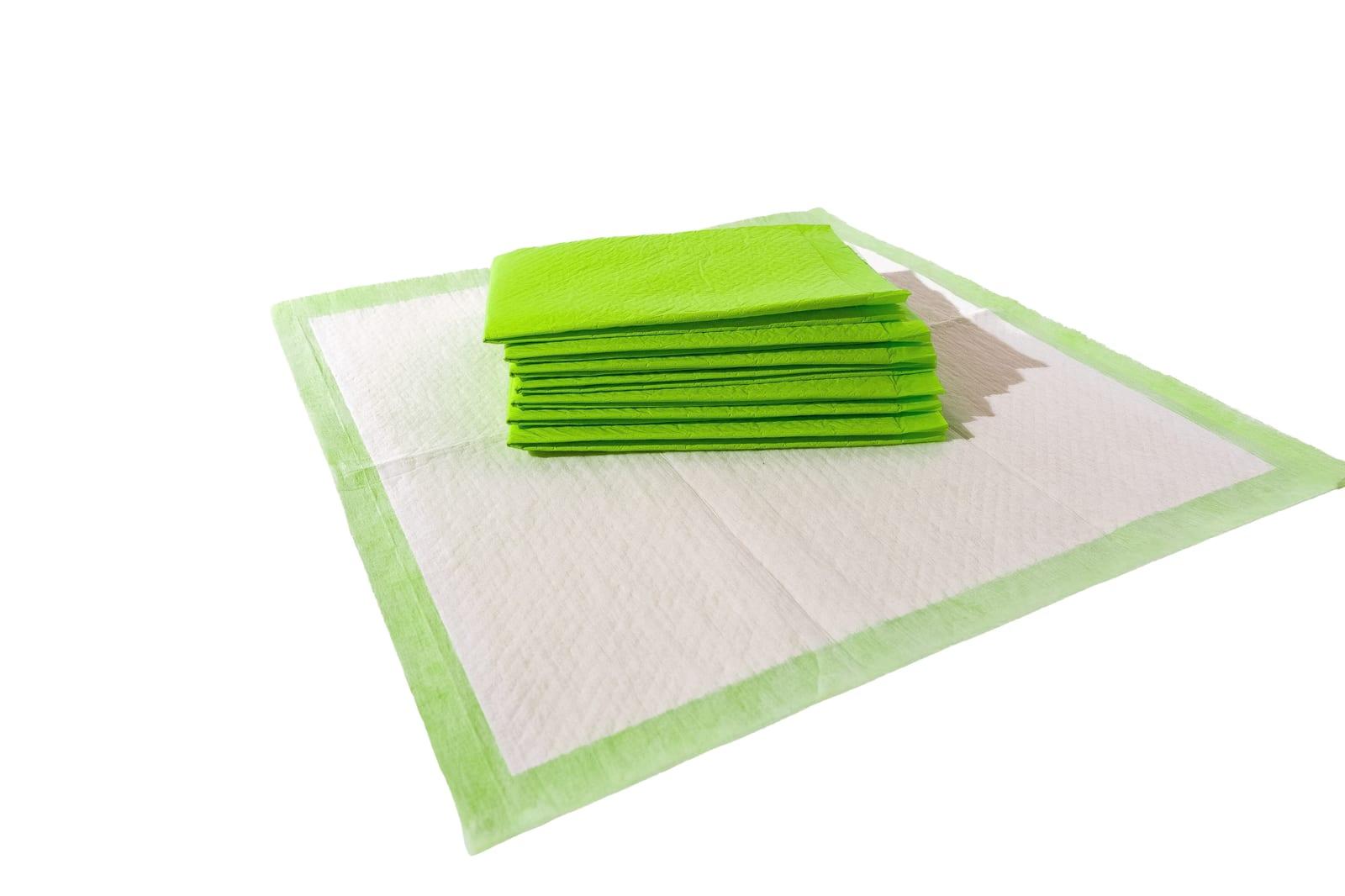
- Swap the pad after one or two uses, a saturated pad stops absorbing and starts smelling
- Glance at the collection well and wipe up anything the pad missed
- Solid waste goes out immediately, always
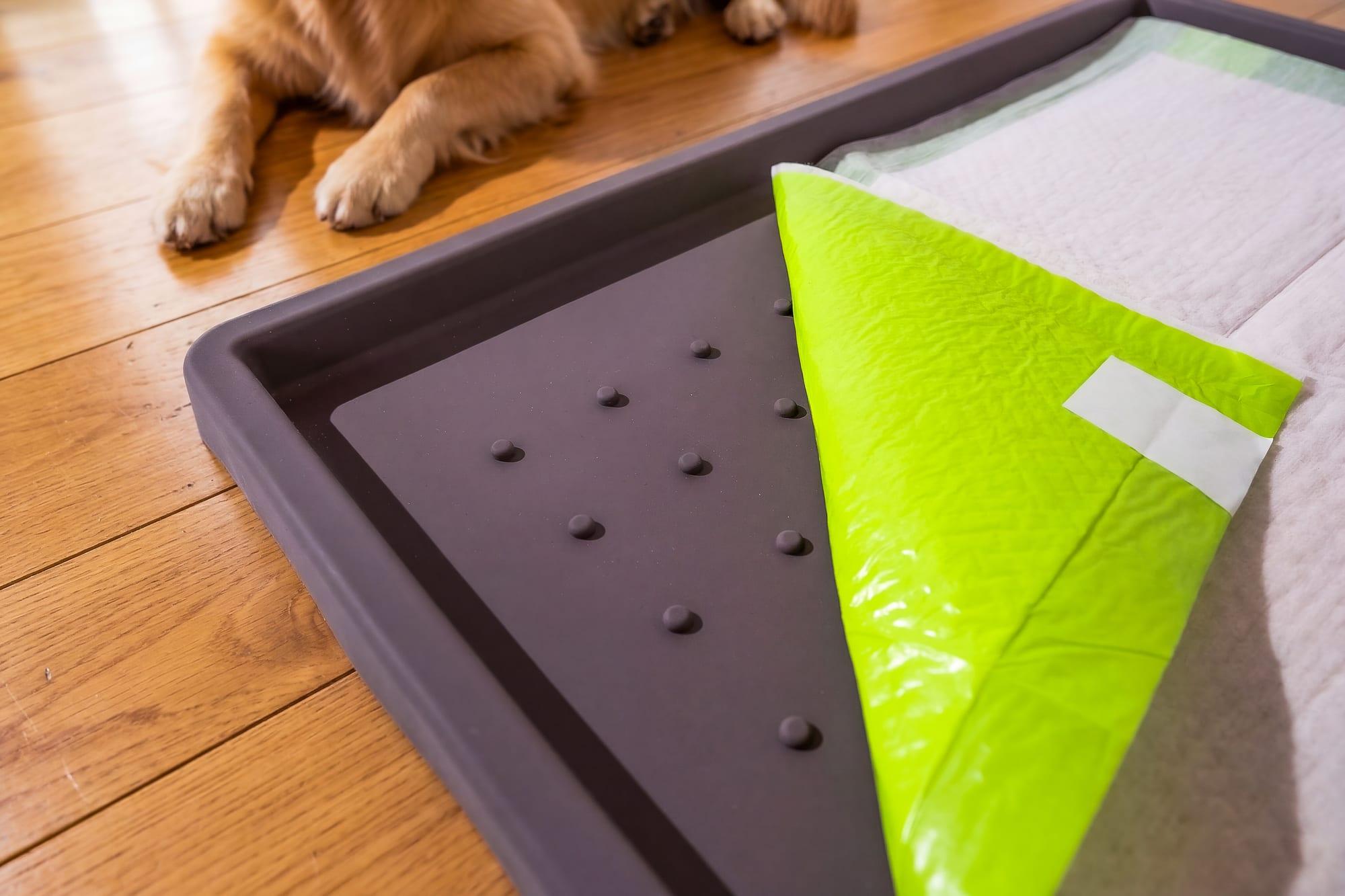
The weekly clean (5 minutes)
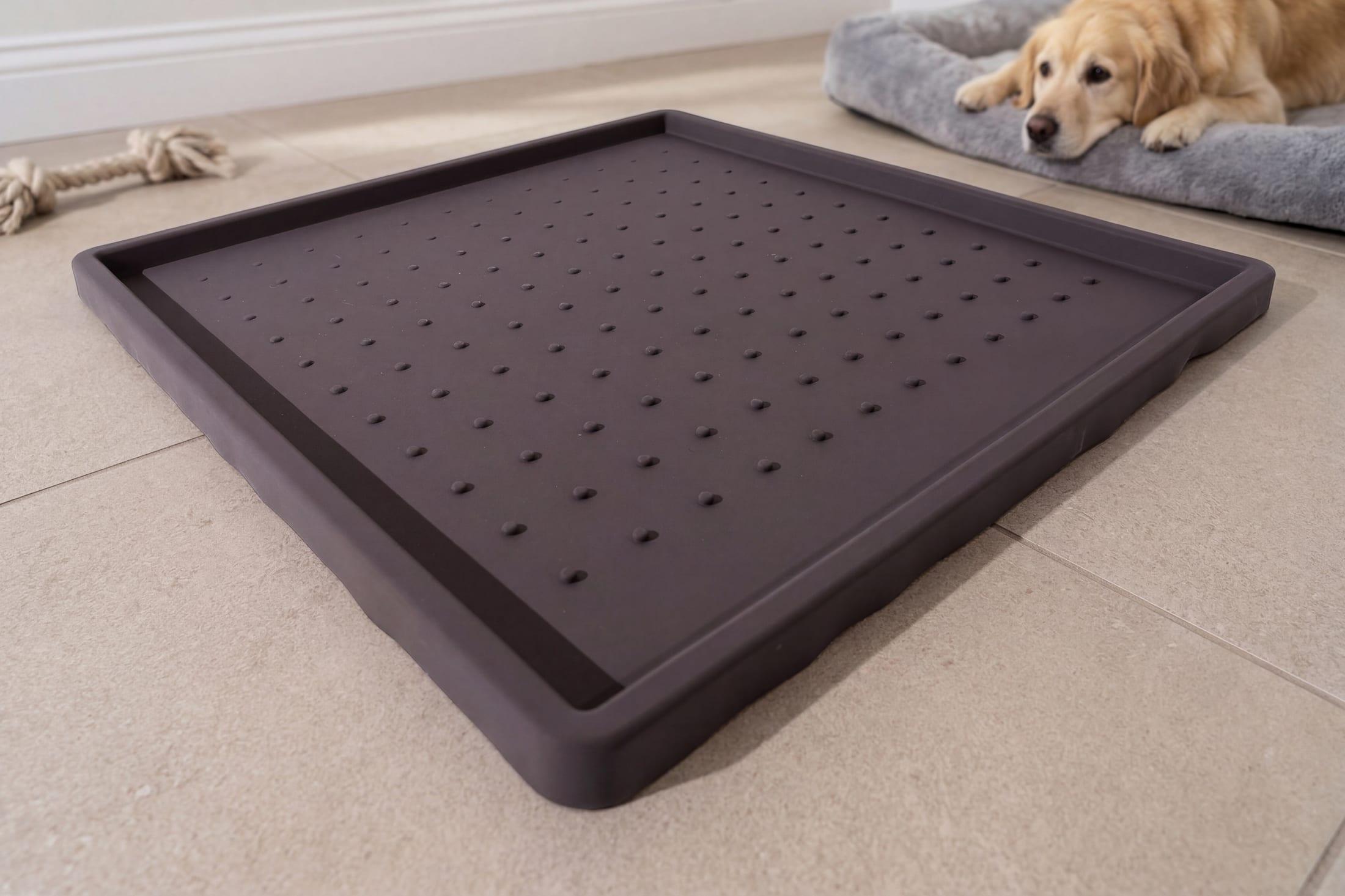
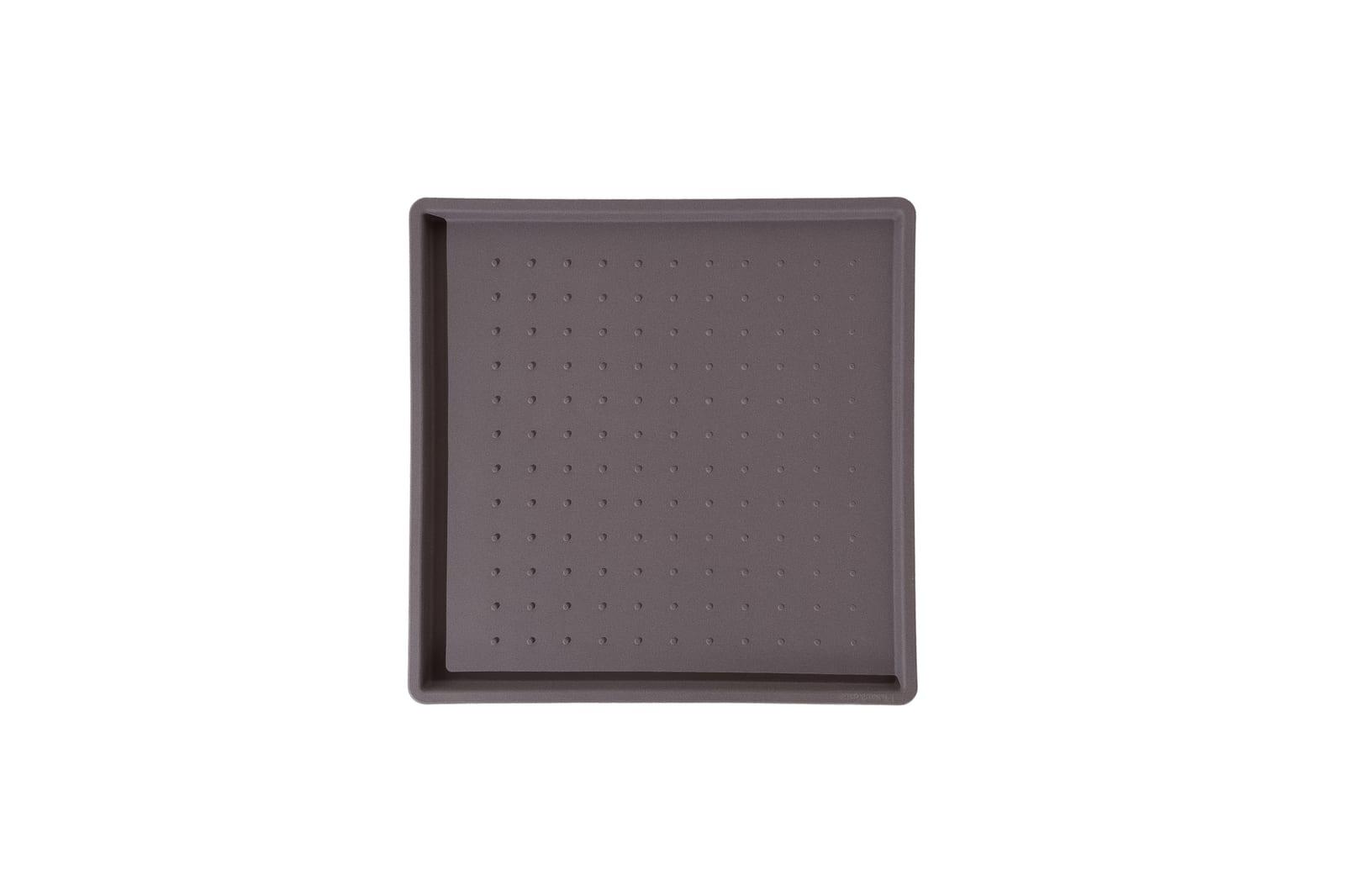
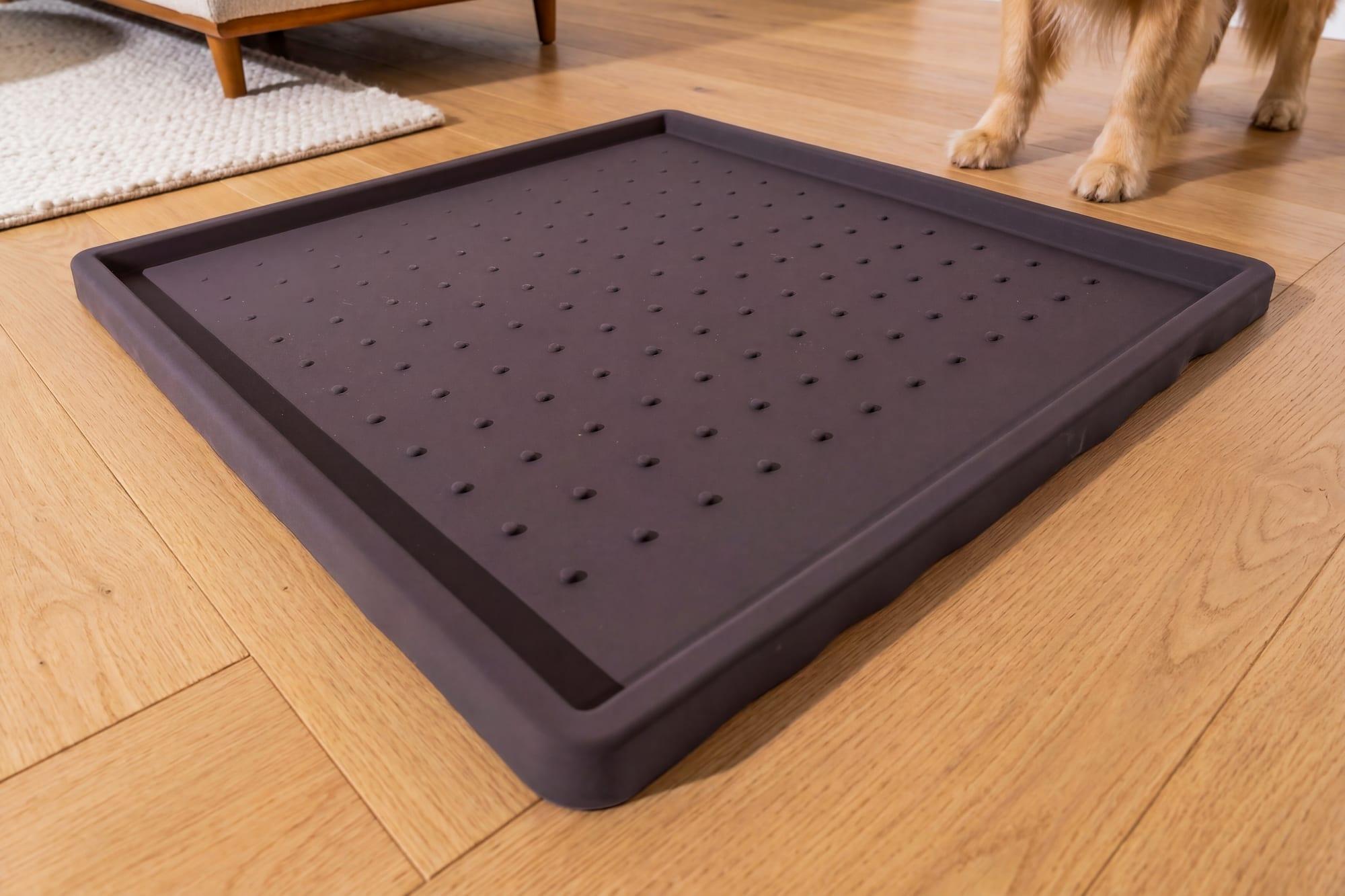
Take the mat to a sink or tub, rinse with warm water and a mild dish soap, and dry it. That's the whole job. Food-grade silicone, what the FloorMate is made of, is naturally non-porous, so urine and odor rinse off instead of soaking in. This is a genuine difference from plastic trays, which scratch easily and hold odor in every scratch.
What not to use
- Bleach and ammonia-based cleaners. Ammonia smells like urine to dogs, and can invite marking
- Harsh abrasives. Unnecessary on silicone, and they create the micro-scratches odor loves
- Strong fragrances. A station that smells like a perfume counter can make dogs refuse it
For accidents off the station
Enzyme cleaner, always. Regular cleaners mask odor from human noses, but dogs smell right through them, and lingering scent re-invites accidents in the same spot. Enzymes actually break the odor compounds down.
The smell test
If you can smell the station from across the room, you're a pad-change behind. A well-kept FloorMate setup is genuinely odor-free, that's the point of swappable pads plus rinseable silicone.
Questions about care? We're happy to help.
Frequently asked questions
Ready for cleaner floors?
The FloorMate and Pee Pads work together to stop edge runoff for good.
Shop the system